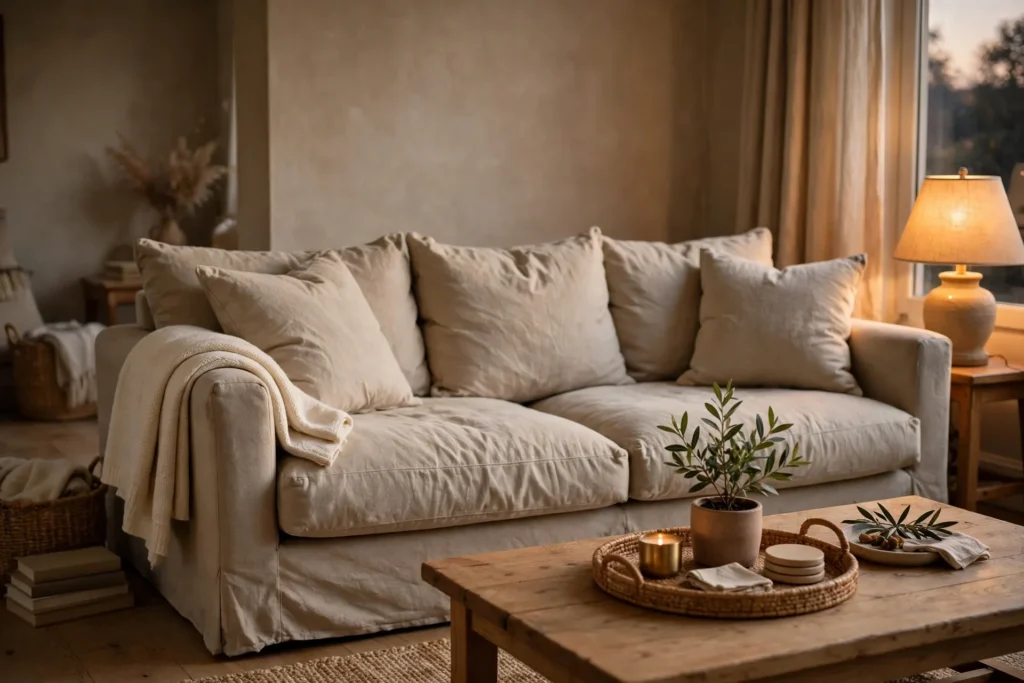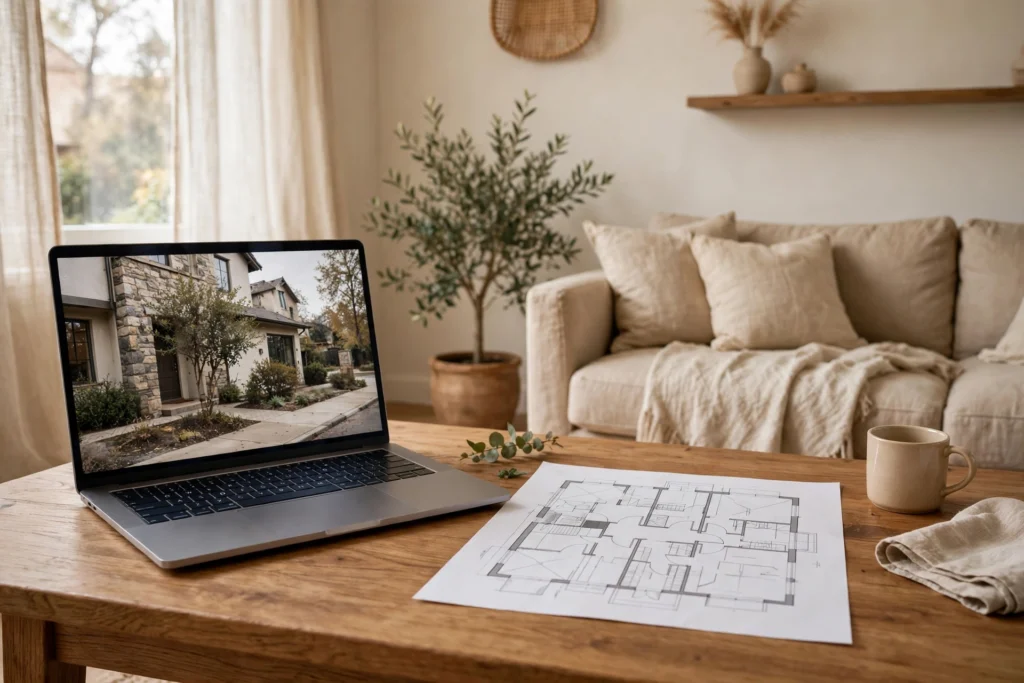

Specialising in high end apartment design means getting the quiet details right, not buying the most expensive items in the shop. A luxury apartment feels calm, well made, and easy to live in. This guide explains what that look means in practice, from layout and materials to lighting and the mistakes to avoid.
What High End Apartment Design Really Means

Luxury in an apartment is rarely about size. It is about order, quality, and restraint. A room with fewer, better pieces often feels richer than a room packed with decor. Also, the eye reads calm first. When colours repeat, lines stay clean, and nothing fights for attention, the whole home feels settled.
First, think about how you live. A high end home suits your daily routine. It has a place to sit and talk, a place to eat without clutter, and a place to rest. Next, think about what you touch each day. Handles, taps, fabrics, and floors shape how a home feels far more than a single showpiece does.
In contrast, a home that chases trends can date fast. A bold feature wall or a loud pattern may thrill you for a month, then tire you. Classic shapes, honest materials, and soft colour last longer. That does not mean boring. It means you choose one or two moments of drama, and you let the rest of the room stay quiet.
Also, luxury shows in the finish. A door that closes softly, a drawer that slides well, and a paint edge that looks crisp all signal care. These small things cost less than a full remodel, yet they change how a home feels each day. For a warm version of this calm look, see these warm and cozy living room ideas.
Specialising in High End Apartment Layouts
Layout comes before shopping. A good layout gives each zone a clear job, and it leaves room to move. Start with the living area. Place the sofa so it faces a focal point, such as a window view, a fireplace, or a large piece of art. Then add chairs at an angle, not in a stiff line against the wall.
Next, protect the walkways. You should cross a room without weaving around furniture. Keep main paths clear, and let side tables sit within reach of seats. Also, use rugs to mark zones in an open plan. A rug under the sofa and chairs tells the eye where the living zone ends and the dining zone begins.
For example, a dining table near the kitchen works well for daily meals and for guests. It keeps serving simple, and it avoids a long carry of hot dishes. In contrast, a table squeezed into a dark corner will rarely get used, no matter how fine it looks. Light, access, and comfort decide whether a zone works.
Also, think in layers. A reading corner needs a chair, a lamp, and a small table. A work corner needs a desk, a good chair, and storage that hides cables. When each corner has what it needs, the apartment feels planned, not patched together. For more layout ideas, see these living room layout ideas.
Materials and Finishes That Read as Luxury

Materials do much of the work in a high end apartment. Natural stone, solid wood, brushed metal, linen, wool, and leather all age with grace. They feel good to touch, and they look better over time than shiny plastic copies. Also, real materials need less decoration around them. A marble top or a walnut shelf can carry a room on its own.
First, pick a small palette of materials and repeat it. For example, use one wood tone, one metal finish, and one stone through the main rooms. This repeat ties the apartment together. Next, mix texture, not colour. Pair smooth stone with rough linen, or matte wood with soft wool. Texture adds depth without noise.
However, avoid mixing too many finishes at once. Brass, chrome, black metal, and gold in one room can look confused. Choose one main metal for taps, handles, and lights, then use it with discipline. The same rule applies to wood. Two wood tones can work, but four will fight each other.
Also, check the edges. A fine finish shows in mitred corners, neat grout lines, and well fitted panels. If you hire help, ask to see past work up close. A photo from across the room hides poor joints, while a close look tells the truth. Good craft is the heart of a luxury finish.
Lighting: The Quiet Luxury Layer
Lighting may be the single biggest luxury upgrade in an apartment. One bright ceiling light flattens a room and shows every flaw. Layered light, in contrast, adds warmth, depth, and mood. Aim for three layers in each main room: general light, task light, and accent light.
First, set the general layer low and soft. A dimmer on the main light lets you change the mood from day to evening. Next, add task light where you read, cook, or work. A lamp by a chair or a strip under a kitchen shelf makes daily tasks easy. Finally, add accent light for art, shelves, or a plant. A small picture light can turn a plain wall into a feature.
Also, mind the colour of the light. Warm white suits living rooms and bedrooms, while cooler light suits a kitchen work zone. Keep each zone consistent.
For more expert ideas on this layer, see these luxury living room ideas. Then test lights at night before you commit. A lamp that looks fine in a shop may glare at home. Live with a new lamp for a few evenings, and move it until the glow feels right.
Colour and Texture: Keep It Calm, Not Cold

A high end palette is usually calm, but calm should not mean cold. Start with a warm neutral base, such as soft white, warm grey, or pale greige. Then add one or two deeper tones for depth, like olive, navy, or charcoal. Repeat those tones in cushions, art, and throws so the rooms feel linked.
Next, bring in texture to stop the calm palette from feeling flat. A wool throw, a linen cushion, a woven rug, and a velvet chair each add a different touch. Also, add one natural element, such as wood grain or stone veining, to warm the scheme. Without texture, even fine furniture can look like a showroom.
However, keep pattern in check. One large pattern, such as a rug or a piece of art, can lead the room. Smaller patterns can support it, but only if they share a colour. In contrast, three bold patterns in one room will compete, and none will win. Restraint is what makes the lead pattern look costly.
Finally, test colour in your own light. Paint a large sample on the wall, and watch it for a few days before you commit.
Furniture and Scale: Fewer Pieces, Better Pieces
Scale decides whether furniture looks grand or awkward. A sofa that is too large crowds a room, while a tiny sofa in a large room looks lost. Measure first, then shop. Note the length of each wall, the height of the ceiling, and the size of the rug you plan to use.
First, anchor the room with one strong piece, such as a well made sofa or a solid dining table. Next, build around it with smaller pieces that share its style. Also, leave breathing room between furniture and walls, so the room feels larger and more considered.
In addition, choose comfort with care. A luxury chair should invite you to sit, not just to look. Test seats in person when you can. Sit, lean back, and check the arm height. A chair that hurts after ten minutes is not luxury, no matter how fine it looks.
Also, avoid filling every corner. Empty space is part of the design. It lets the eye rest, and it lets each good piece stand out. For bedroom pieces that follow the same rule, see these bedroom decorating ideas.
Specialising in High End Apartment Details
Details are where a high end apartment earns its feel. Door handles, light switches, curtain rods, and shelf edges may seem small, yet you see and touch them daily. When these details match in finish and quality, the home feels designed as a whole, not bought piece by piece.
First, audit the details you already have. Walk through the apartment with a notebook, and list every handle, switch plate, and hinge that looks cheap or worn. Next, group them by finish. Replacing a full set in one finish often costs less than you expect, and the change is felt at once.
Also, look at the joins. Skirting boards, architraves, and shelf edges should meet cleanly. A small gap or a rough cut breaks the luxury spell fast. If you spot poor joins, fix them before you buy new decor. No cushion can hide a badly fitted shelf.
Finally, add one crafted touch per room, such as a hand thrown vase or a framed print. One crafted piece adds soul, while a shelf of trinkets adds clutter.
A Room by Room Checklist
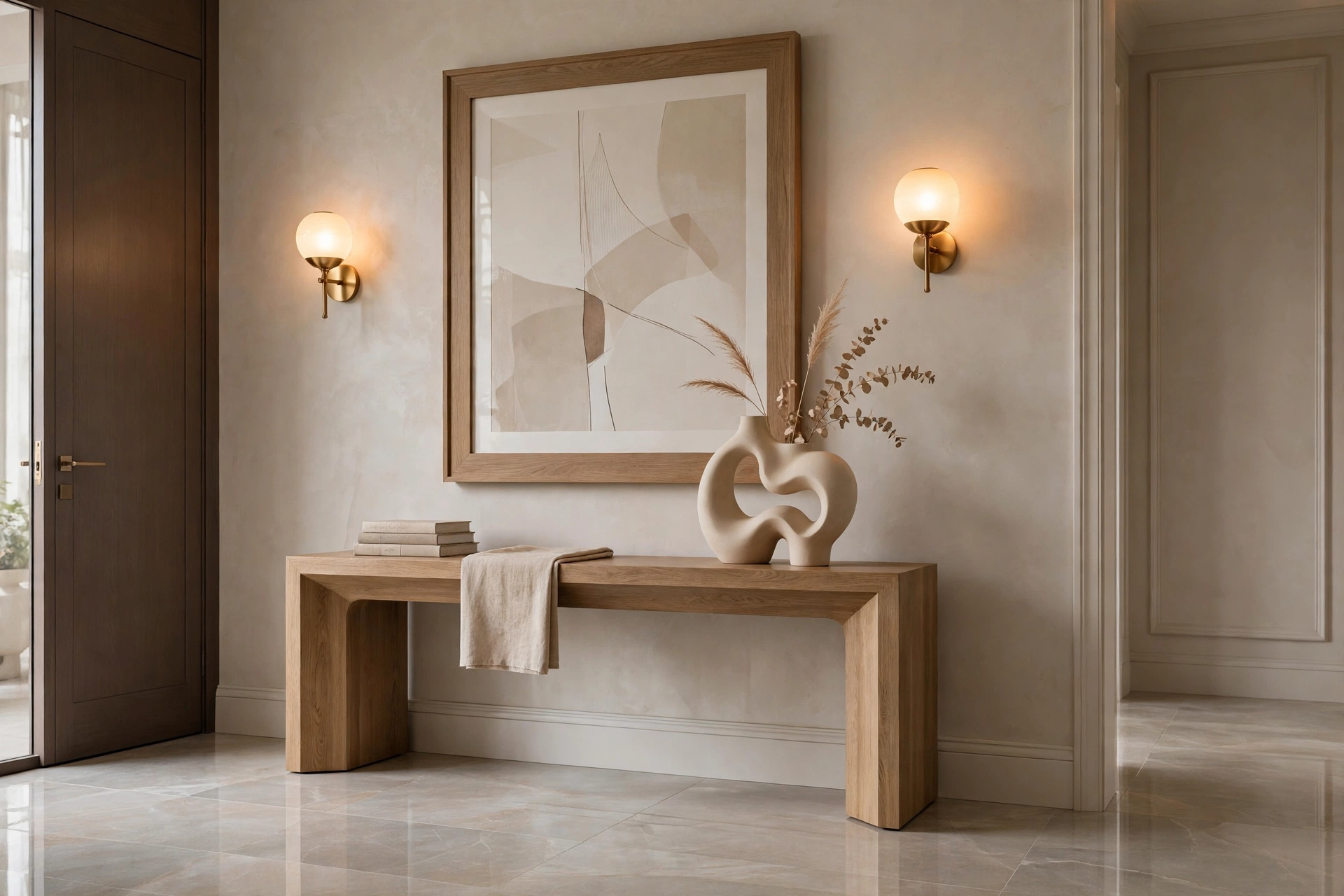
Use this checklist as your original plan before you spend. It keeps the whole apartment consistent, and it stops impulse buys that break the scheme.
Table: High end apartment checklist by room.
| Room | Focus first | Second step | Avoid |
|---|---|---|---|
| Living room | Layout and rug | Layered lighting | Too many patterns |
| Kitchen and dining | Clear work zones | One metal finish | Cluttered counters |
| Bedroom | Bed and bedding | Soft lamps | Harsh ceiling light |
| Bathroom | Clean lines | Matching fixtures | Mixed metal finishes |
| Entry | Console and mirror | Warm light | Piled shoes and keys |
First, start with the room you use most. In most apartments, that is the living room. Get its layout, rug, and lighting right, then move on. Next, carry the same palette and metal finish into the next room. This carry over is what makes a small apartment feel like one home, not five separate rooms.
Also, tick off one room at a time. A half done scheme in every room feels worse than one finished room and a clear plan for the rest. Photograph each room as you finish it. The photos help you spot what still jars, and they guide your next buys.
Mistakes That Break a Luxury Look
Even good taste can slip when a project rushes. The most common mistake is buying too much, too fast. A room filled in one weekend often lacks a clear thread. In contrast, a room built slowly, piece by piece, tends to feel more personal and more settled.
Next, watch for fake luxury. Glossy copies of natural materials often look cheap up close, and they wear badly. It is better to use a modest real material well than a grand fake one poorly. For example, solid oak shelves beat a plastic wood print, even if the print looks richer in a photo.
Also, avoid harsh overhead light as your only light source. It flattens faces, shows dust, and kills mood. Add lamps early in the project, not as an afterthought. Good light can lift modest furniture, while bad light can dull fine pieces.
Finally, do not ignore storage. Clutter is the fastest luxury killer. Closed storage for daily mess, plus a few open shelves for chosen pieces, keeps rooms calm. If every surface holds random items, no finish or fabric can save the look.
A Simple Step Plan for Your Project
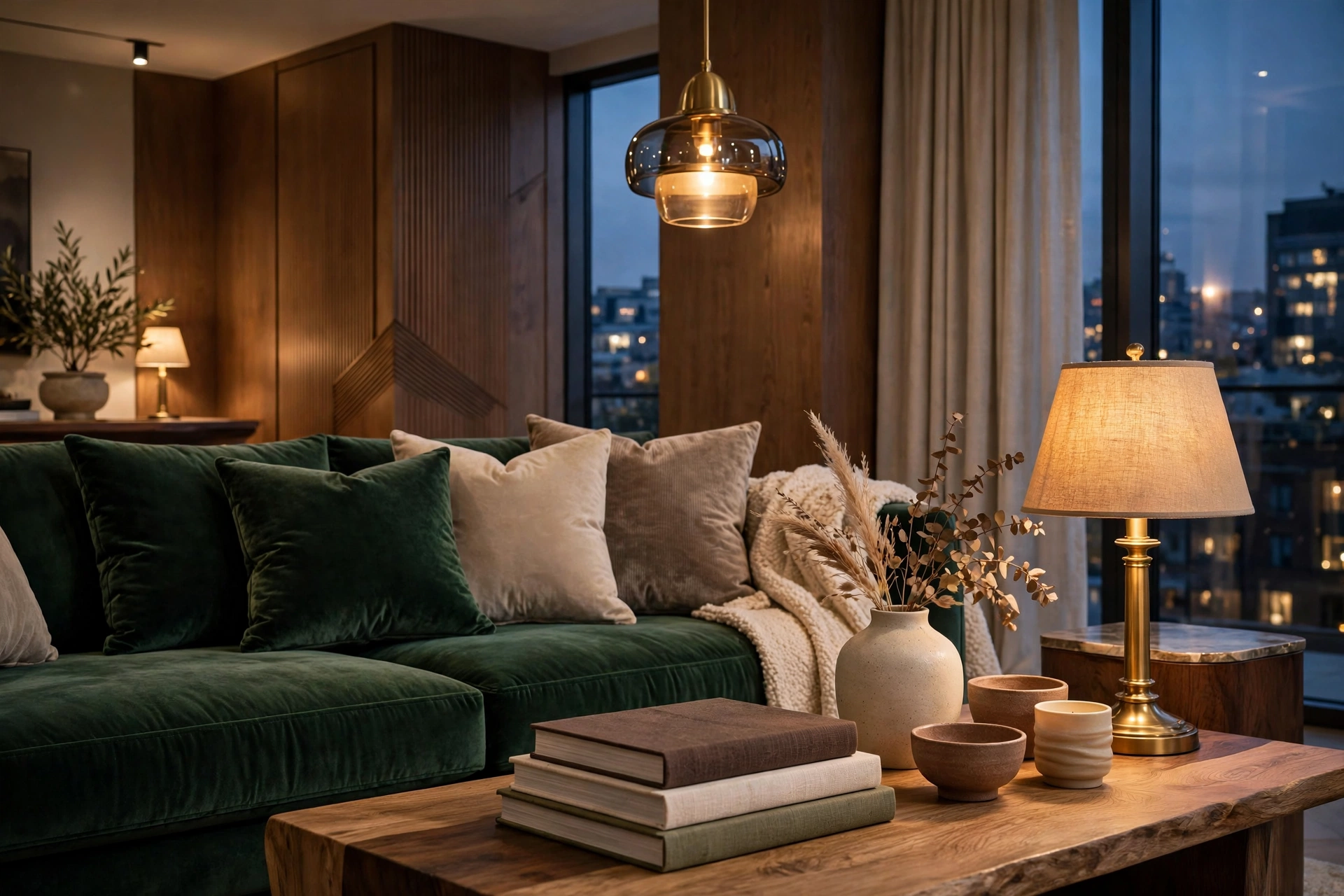
A clear plan keeps a luxury project calm and under control. Work in this order, and do not skip the early steps.
First, set your palette and finishes. Choose wall colours, one wood tone, one metal finish, and two accent tones. Write them down, and carry the list when you shop. Next, fix the layout. Measure rooms, place the large pieces on paper, and mark walkways before you buy anything.
Then, sort the lighting. Plan three layers per main room, and add dimmers where you can. After that, buy the anchor pieces, such as the sofa, bed, and dining table. Finally, add texture and art. Cushions, throws, rugs, and one or two art pieces finish the scheme.
Also, pause between steps. Live with each change for a week before you buy more.
Frequently Asked Questions
What does a high end apartment look like?
A high end apartment looks calm, well made, and easy to live in. It uses a small palette, real materials, and layered light. Furniture fits the room, storage hides clutter, and details match. It does not need gold or grand size. Order, craft, and restraint create the luxury feel.
How do I start a luxury apartment look on a modest plan?
Start with layout, light, and paint, since these change a room most for least effort. Clear clutter, add lamps with dimmers, and choose a calm palette. Then buy one good anchor piece at a time. Small, steady upgrades beat a rushed full room makeover that lacks a clear thread.
Which materials look most luxurious in an apartment?
Natural materials tend to look most luxurious, such as solid wood, stone, linen, wool, and leather. They feel good to touch and age with grace. Use a small set of materials and repeat them through the rooms. Avoid mixing many metal finishes or wood tones in one space.
Does a high end apartment need a large space?
No, it does not need a large space. Luxury comes from proportion, light, and craft, not from square footage. A modest apartment can feel high end when furniture fits, walkways stay clear, and storage hides clutter. One calm palette through the rooms also helps a smaller home feel unified.
What lighting works best for a luxury apartment feel?
Layered lighting works best, with general, task, and accent light in each main room. Use dimmers on main lights, warm white in living rooms and bedrooms, and lamps beside seats and beds. Add a picture light for art. Avoid relying on one harsh ceiling light, which flattens a room.
What is the biggest mistake in luxury apartment design?
The biggest mistake is buying too much, too fast, without a clear palette or layout. Rooms filled in one weekend often lack a thread and feel cluttered. A second common mistake is harsh overhead light and poor storage. Plan first, buy slowly, and let each piece earn its place.
Conclusion
A high end apartment look comes from layout, honest materials, layered light, and careful details, not from a single costly buy. Start with your palette, fix the layout, and build slowly, room by room. Your next step is simple: walk your apartment with a notebook, list what jars, and fix the layout and lighting first.