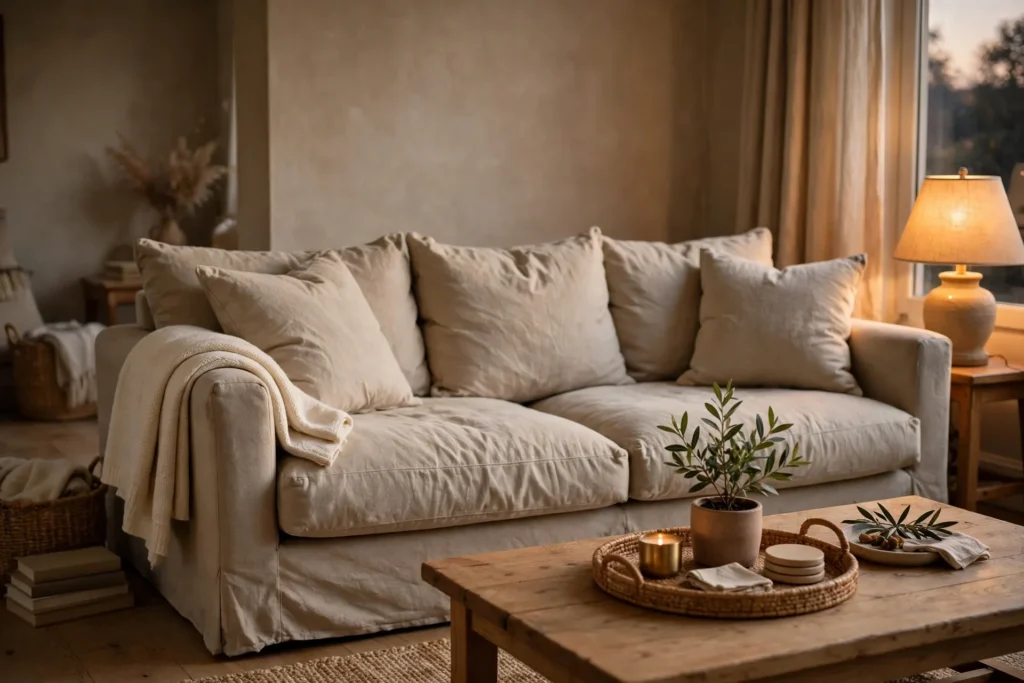
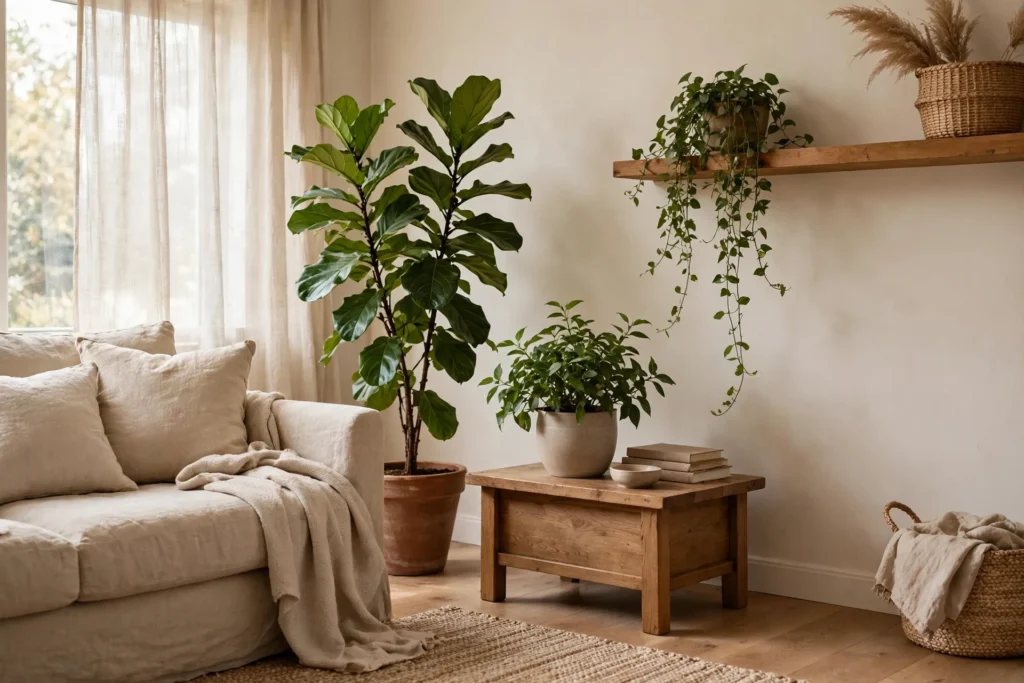
Plant decor brings life into any room, even a small rental. The right plants soften hard corners, add colour, and make a space feel calm and lived in. This guide shows how to choose plants for your light, pick pots that suit the room, and place them where they will thrive.
Start With Light, Not With the Plant
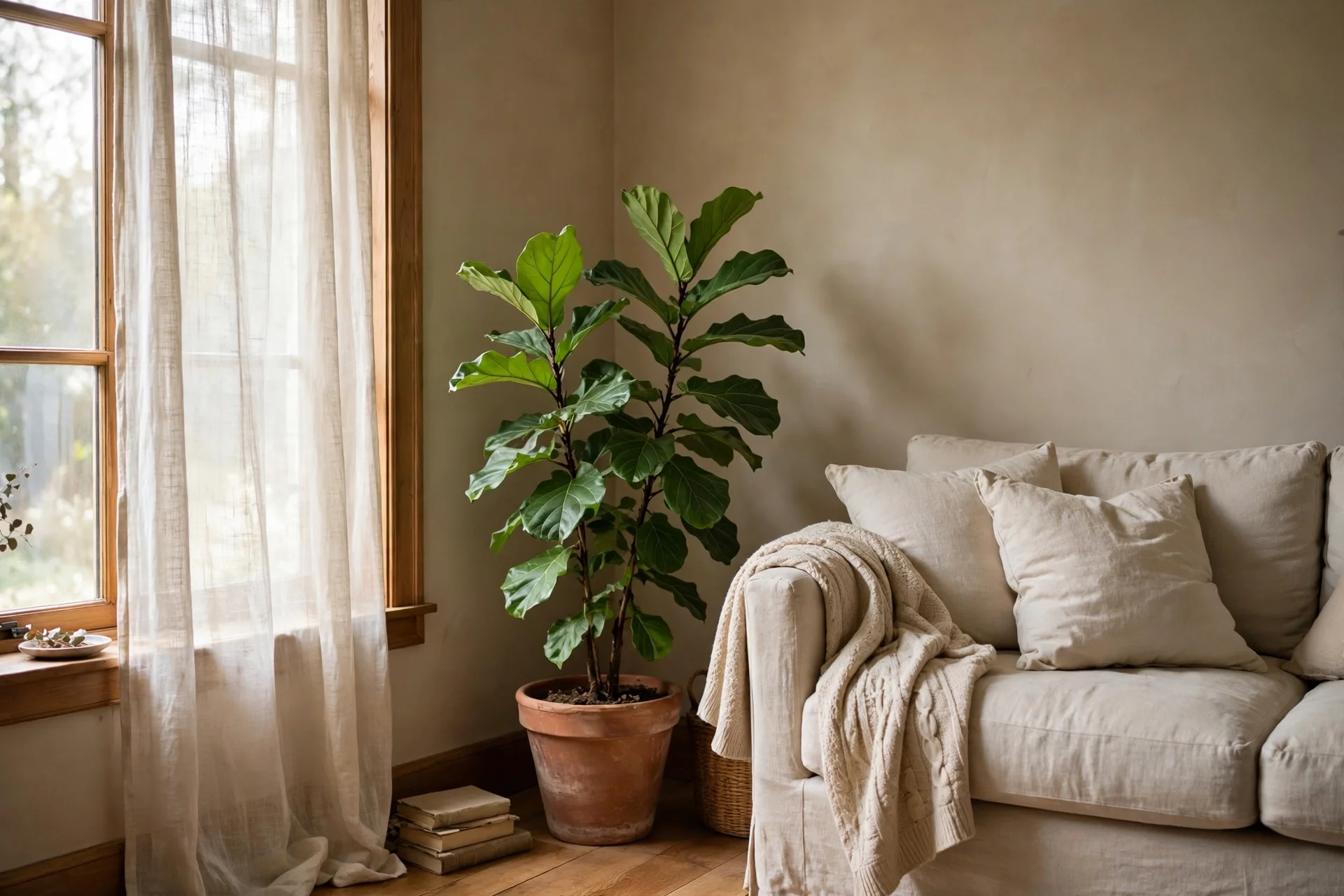
Before you buy a plant, watch your room for a day. Note which windows get direct sun, which get soft light, and which corners stay dim. Check how light changes from morning to evening. A spot that looks bright at noon may turn dark by late afternoon. Choose the spot first, then buy a plant that suits that light.
Match the plant tag to the spot. Plant tags usually say bright indirect light, low light, or direct sun. Bright indirect light means a bright room without harsh sun on the leaves. Low light means a spot away from windows that still gets some daylight. Direct sun means sun falls on the plant for part of the day. If a tag is missing, ask staff at the shop for help.
Avoid buying on looks alone. A sun-loving plant will struggle in a dark hallway, however pretty it looks in the shop. A shade-tolerant plant may scorch on a hot south-facing sill. Start with light, and the plant will have a far better chance to thrive. For a fast room win while you plan, try these quick refresh ideas alongside your first plant.
Choose Pots and Planters That Suit the Room
Also, a pot does more than hold soil. It sets the style of the whole corner. A plain terracotta pot suits a warm, relaxed room. White ceramic suits a calm, modern room. A woven basket suits a soft, natural look. The pot should fit the plant, not dwarf it. A tiny plant in a huge pot looks lost, while a large plant in a tiny pot looks cramped.
Check drainage before you fall in love with a pot. Most indoor plants hate sitting in water. Pick a pot with a drainage hole, or use a plastic nursery pot inside a pretty outer pot. Empty any extra water from the outer pot after watering. This one habit prevents many common plant problems.
Think about weight and floor care. A large floor plant in a heavy ceramic pot is hard to move for cleaning. A lighter pot, or a pot on a small stand with castors, makes care much easier. Use a saucer or tray under every pot. It protects wood floors and shelves from water marks. Repeat one pot colour or material across a room. That repeat ties the plants together, even if the plants themselves differ.
Where to Place Plants in a Room
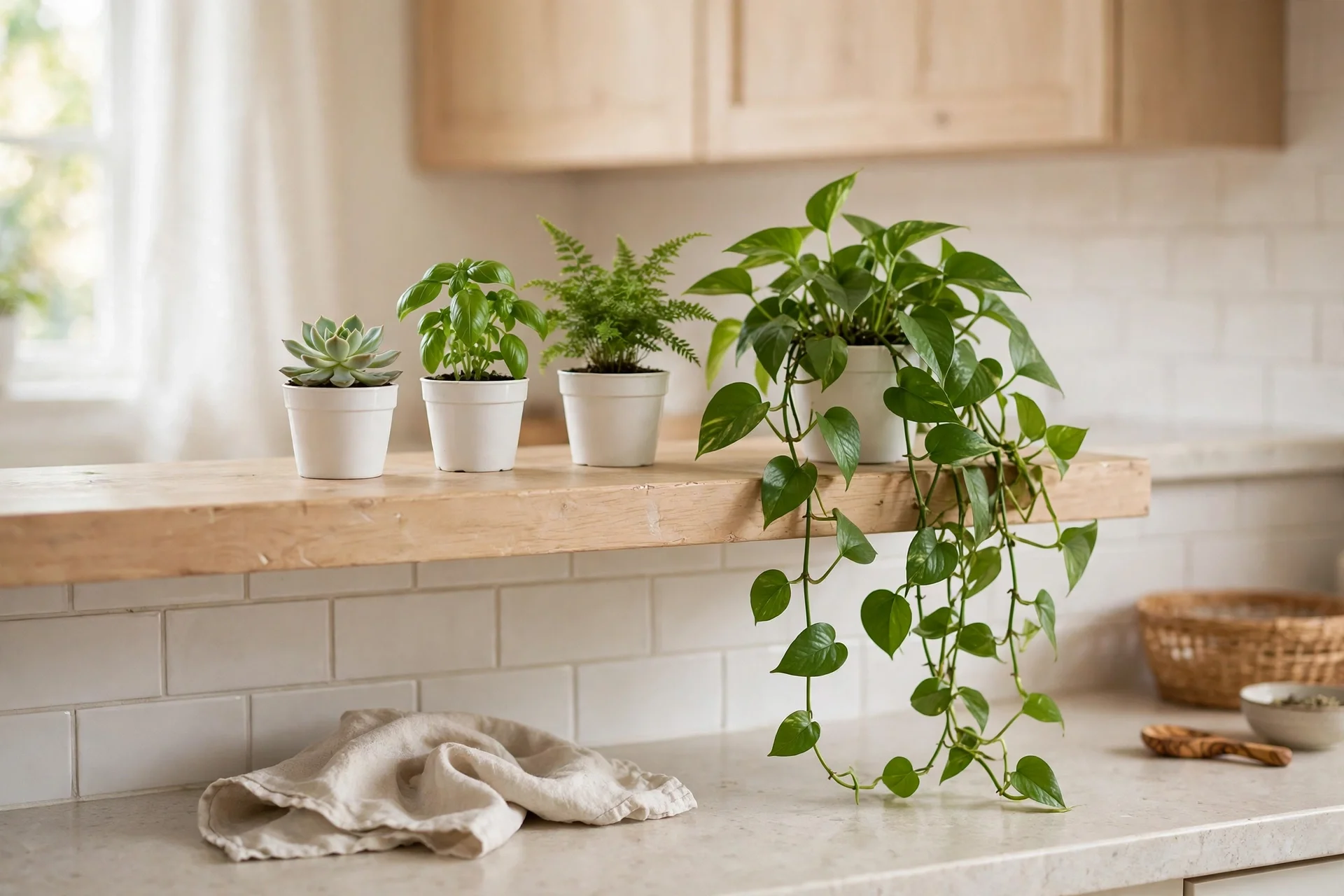
Next, good placement makes plants look planned, not random. First, start with one large floor plant in a corner that needs softening. Add a medium plant on a shelf or side table. Add a trailing plant on a high shelf or in a hanging planter. This mix of heights draws the eye up and around the room. The room feels layered, not flat.
Here is a worked example from a typical living room. Place a tall floor plant beside the sofa, where it fills an empty corner. Add a medium plant on the coffee table or a side table, in a pot that matches the floor pot. Hang one trailing plant near a window, where it can catch soft light. Add a small plant on a bookshelf, next to books and a candle. Four plants, four heights, one calm look.
Also, leave space around each plant. Plants need air flow, and they look better with breathing room. Do not crowd every shelf with plants. Instead, leave some empty space, so each plant stands out. Keep plants away from hot radiators and cold draughts. Sudden heat or cold can stress leaves fast. Place plants where the room temperature stays fairly steady.
Plant Decor for Bright Rooms and Low Light Corners
Also, bright rooms give you the most choice. Place sun-tolerant plants near windows, but watch for scorched leaves in summer. If leaves fade or crisp at the edges, move the plant back a step from the glass. Rotate pots every week or two. Plants lean toward light, so a small turn keeps growth even. This simple habit keeps plants looking full on all sides.
Low light corners need a different plan. Choose plants whose tags say they cope with low light. Keep expectations fair. A low light plant will grow slowly, and that is normal. Avoid overwatering in dim spots, since soil dries more slowly there. Check the soil with a finger before you water. If the top layer still feels damp, wait a few more days.
Use light-coloured pots in dark corners. White or pale pots reflect a little light and stand out against a dark wall. Add a mirror nearby if you can. A mirror bounces daylight into a dim corner and makes the plant look larger. A mirror does not replace real light. Treat it as a styling help, not a plant care fix.
Grouping and Styling: How to Make Plants Look Planned
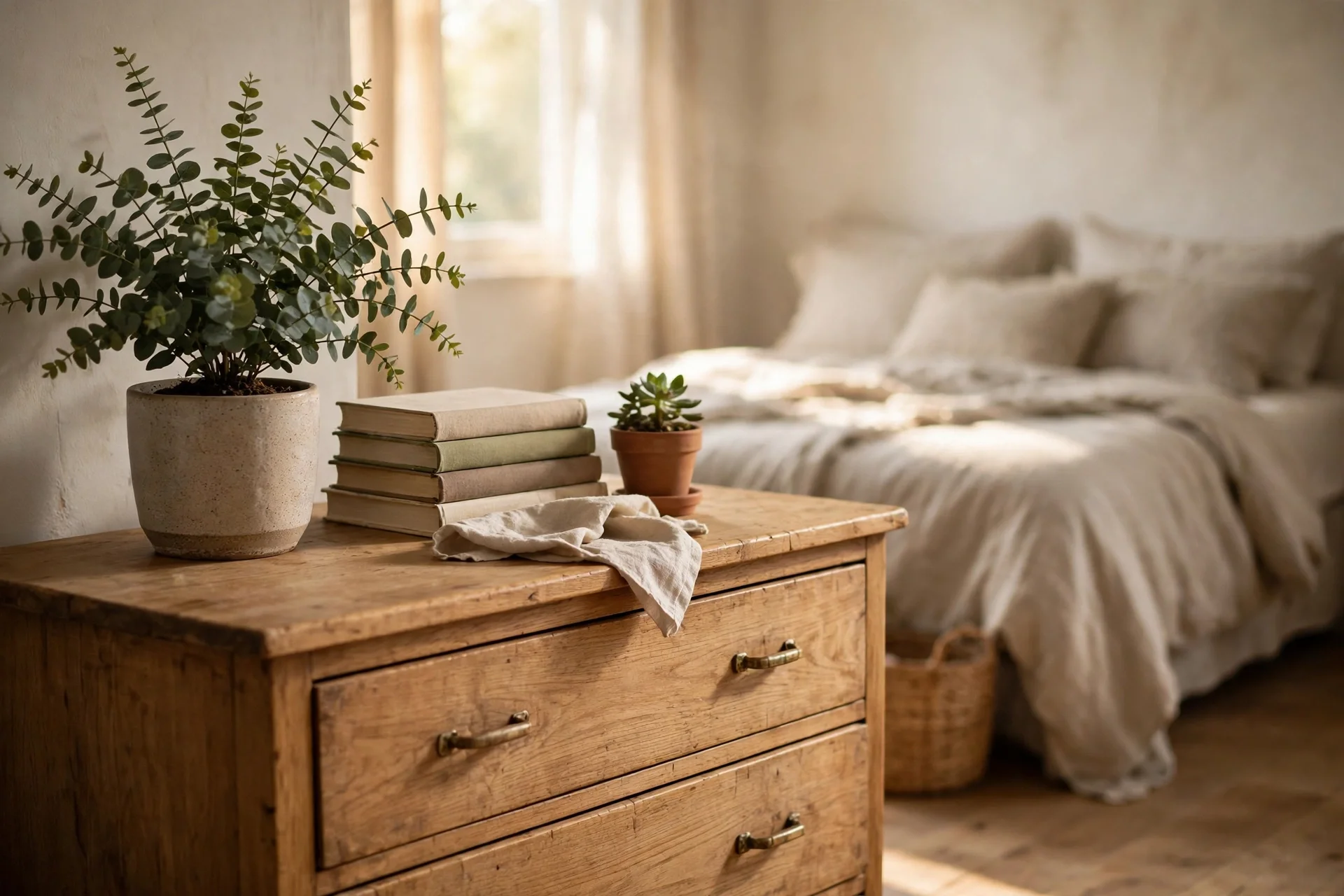
Also, groups look better than single plants scattered around a room. Group plants in odd numbers, such as three or five. Vary the heights, leaf shapes, and pot sizes within the group. Keep one thing the same across the group, such as pot colour or material. That shared detail stops the group from looking messy.
Mix leaf shapes for interest. Pair a broad-leaf plant with a fine, feathery plant. Add a trailing plant that spills over the edge of a shelf. This mix of shapes feels natural, like a small indoor garden. Five plants with the same leaf shape can look flat. Aim for variety, with one calm thread tying them together.
Table: Simple plant groupings that work in most rooms.
| Group spot | Plant heights | Styling tip |
|---|---|---|
| Living room corner | Tall, medium, small | Repeat one pot colour |
| Kitchen shelf | Two small, one trailing | Keep pots light for easy moves |
| Bedroom dresser | One medium, one small | Leave space for daily items |
| Bathroom shelf | One trailing, one small | Pick plants that like humidity |
Style plants with room decor, not apart from it. Place a plant near art, books, or a lamp, so it feels part of the room. Prune yellow leaves promptly. One tidy plant lifts a whole group, while one sad plant drags it down. Check your groups once a week, and trim what looks tired.
Plant Decor That Fits Small Spaces and Rentals
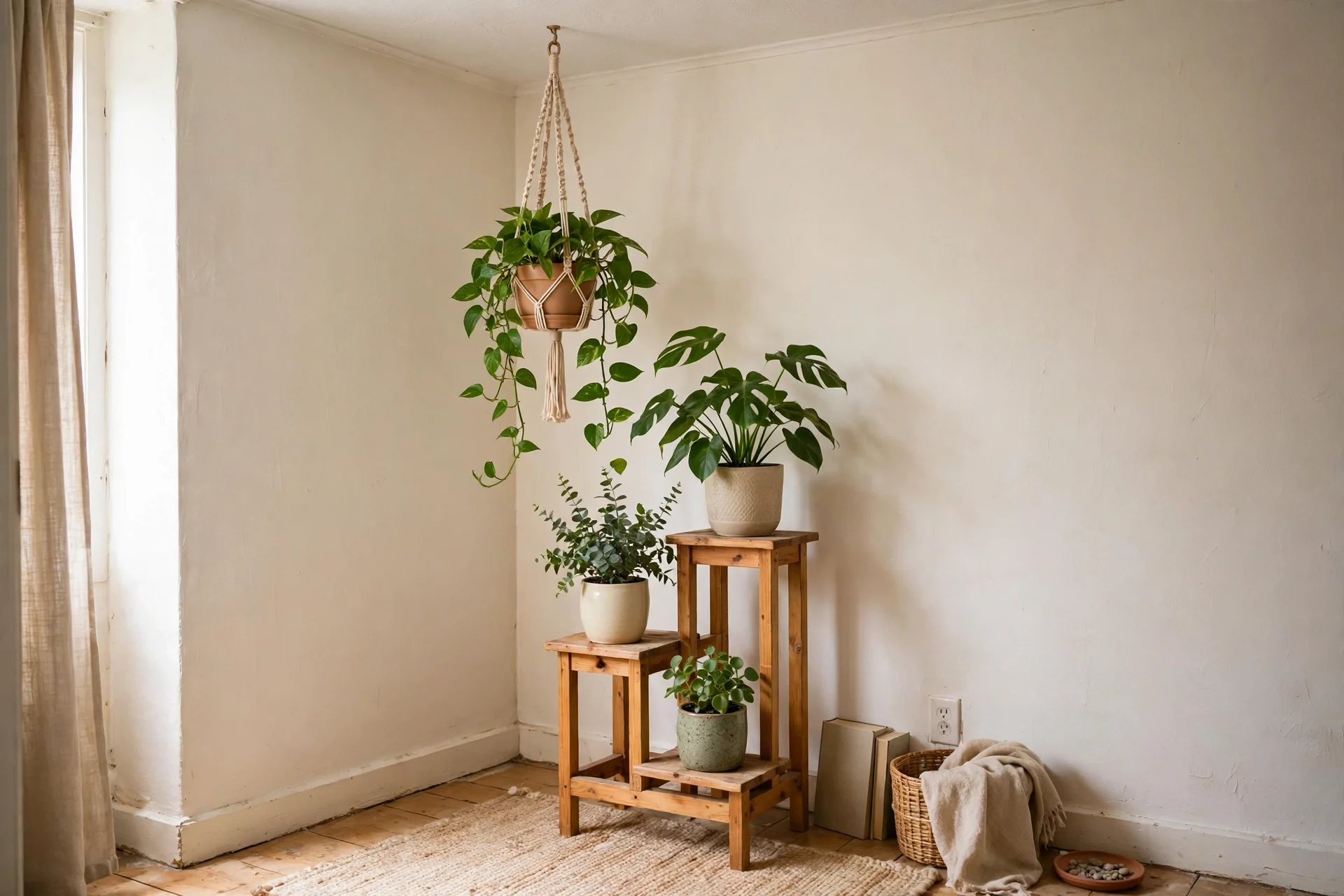
Also, small spaces suit plant decor well, since plants add life without new furniture. Use vertical space first. Hang one planter from the ceiling, or use a wall shelf for trailing plants. Use window sills for small pots. These spots add green without taking floor space. For more small-room tricks, see these small apartment ideas.
Pick plants that fit your space when grown, not just when bought. A small plant today may grow tall in a year. Read the tag for mature size, and leave room for growth. Choose light pots in rentals. Light pots are easier to move, and they cause less floor damage. Use felt pads under pots on wood floors.
Renters should avoid heavy wall fixings where possible. Use a sturdy plant stand, a shelf unit, or a hanging hook that your lease allows. Keep plants portable. Pots you can carry make moving day far easier. Start small in a rental. Three well-placed plants beat ten crowded ones, and you can add more once you learn your light.
Care Basics That Keep Plants Alive
First, most indoor plants die from too much water, not too little. Water only when the soil needs it. Push a finger about an inch into the soil. If it feels dry, water well until a little drains out. If it feels damp, wait. Empty the saucer after watering, so roots do not sit in water. This check takes seconds, and it saves many plants.
Learn the signs of stress early. Yellow leaves often mean too much water or poor drainage. Brown, crispy edges often mean dry air or too much direct sun. Dropping leaves can mean a sudden move or a cold draught. When you spot a problem, change one thing at a time. Change the water, the light, or the spot, then wait a week. Changing everything at once makes the cause hard to find.
Keep care simple and steady. Also, wipe dusty leaves with a damp cloth once a month, so they can take in light. Feed only as the plant tag directs, and only in the growing season. Repot only when roots fill the pot or water runs straight through. A plant that is slightly snug in its pot often grows better than one in a pot far too large.
The most common mistake is loving a plant too much. A new plant owner often waters every day, moves the pot often, and feeds it weekly. Each change stresses the plant a little more. Pick a good spot, water on a soil check, and leave the plant alone between checks. Calm, steady care beats constant fussing every time.
Pet Safety and a Simple Shopping Checklist
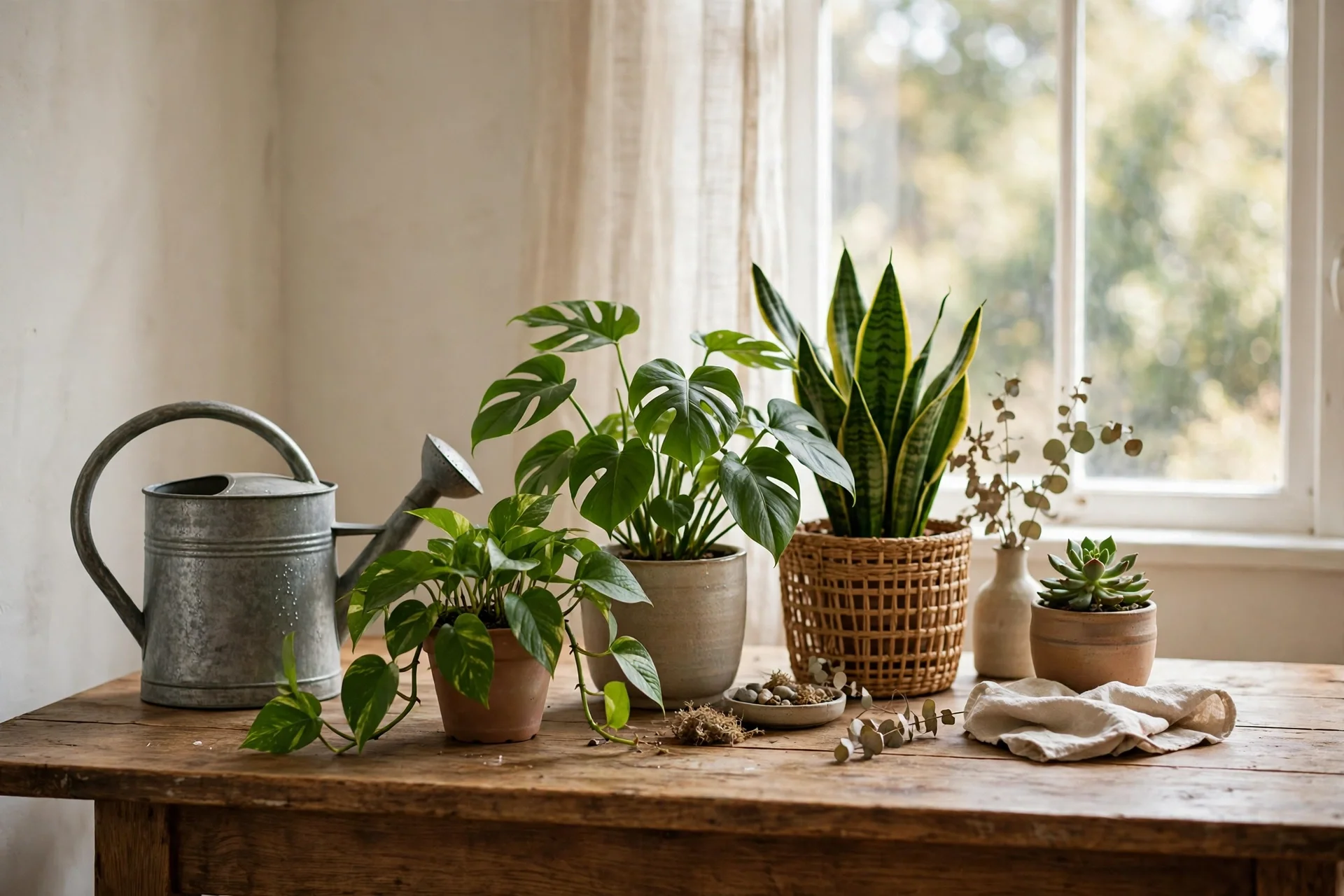
First, if you share your home with pets, check pet safety before you buy any plant. This is general guidance only, not a claim about one plant. Check whether a plant is pet-safe before you buy it, using the plant tag, the shop, or a trusted pet-safety source. Keep new plants out of reach until you have checked. A hanging planter or a high shelf can help, but it is not a full safety plan.
Use this short checklist on every shopping trip. First, note your light at home. Second, measure your spot, so the plant and pot will fit. Third, check the plant tag for light, water, and mature size. Fourth, check pet safety if pets live with you. Buy the pot and saucer at the same time, so the plant has a proper home from day one.
Inspect the plant before you pay. Look for firm, green leaves and new growth. Avoid plants with many yellow leaves, limp stems, or pests on the undersides of leaves. Ask how the shop waters the plant, so you can match that care at first. Give the plant a week to settle at home before you repot or move it again. For living room warmth to pair with plants, see these warm and cozy living room ideas.
Frequently Asked Questions
How many plants should I start with in one room?
Start with three plants in one room: one tall floor plant, one medium plant, and one small or trailing plant. This mix gives height and variety without crowding the room. Learn your light and watering rhythm first. Add more plants once the first three stay healthy for a month or two.
Which spot is best for plants in a living room?
A corner beside the sofa suits a tall floor plant, while a shelf suits a trailing plant. A side table suits a medium plant in a pot that matches the room. Avoid spots near radiators or cold draughts. Choose a spot with steady temperature and light that suits the plant tag.
How often should I water indoor plants?
Water only when the soil feels dry about an inch down, not on a fixed daily schedule. Most indoor plants need water far less often than new owners expect. Always empty the saucer after watering, so roots do not sit in water. Check the soil first, and check the plant tag for its needs.
Can plants work in a low light room?
Yes, plant decor can work in low light if you choose plants tagged for low light. Growth will be slower, and that is normal. Water less often in dim rooms, since soil dries slowly there. Use pale pots and a mirror nearby to brighten the corner, but do not expect a mirror to replace daylight.
What pots are best for indoor plants?
Pots with drainage holes are best, or nursery pots placed inside pretty outer pots. Terracotta suits warm rooms, white ceramic suits calm modern rooms, and woven baskets suit natural rooms. Always use a saucer or tray under pots. Repeat one pot colour in a room to tie the plants together.
Are indoor plants hard to keep alive?
No, most indoor plants are easy if you match light, water on a soil check, and avoid moving them often. The main mistake is overwatering, so check soil before you water. Start with three plants, learn their rhythm, and add more slowly. For more plant care detail, see the Royal Horticultural Society houseplant advice.
Conclusion
Plant decor works when light comes first, pots suit the room, and placement mixes heights. Start with three plants, check soil before you water, and check pet safety before you buy. Your next step is simple: watch your light for a day, measure one corner, and buy one plant that suits that spot.