
You can decorate a rental without losing deposit money if you plan for move out from day one. First, read your lease. Next, photograph every wall, floor, and fixture before you unpack. Then choose decor you can remove cleanly. This guide shows how to do that step by step, so your home feels like yours and your deposit stays safe.
Read Your Lease First

Your lease is the rule book for your home. It may allow small nails, or it may ban all holes. It may allow paint only if you repaint before you leave. Also, it may ban adhesive hooks, wall mounts, or wallpaper of any kind. Read it before you buy a single item.
Look for the parts about alterations, repairs, and cleaning. Note any rules about pets, smoking, and wall colour. In addition, note what counts as damage and what counts as normal use. If a rule is unclear, ask your landlord in writing. Keep the answer with your lease. A short email now can prevent a large argument later.
Also, check any move in form or inventory list your landlord gives you. Sign it only after you have checked the home yourself. Add every mark, scratch, and stain you find, even small ones. If no form is given, make your own list and send a copy to your landlord. This record is your best protection at move out.
Decorate a Rental Without Losing Deposit: Your Move In Record
Before you unpack a box, walk through the home with your phone. Take photos of every wall, door, window, and floor. Open cupboards and photograph inside them too. Also, photograph appliances, taps, light switches, and any marks you see. Good photos need daylight, so do this walk in the daytime if you can.
Next, take a slow video of each room. Speak as you film, and name each mark you pass. For example, say “small scratch on the living room floor by the door.” Date stamps help, so keep the original files. Do not edit or filter them. Upload copies to cloud storage the same day, so you have a backup.
Finally, send a short note to your landlord with your list of existing marks. Keep it polite and factual. List the room, the item, and the mark. Keep a copy of the sent note. This step takes about an hour, and it can save you far more than an hour of stress later.
Choose Reversible Decor Only

Reversible decor is decor you can take down without a trace. It leaves no holes, no paint, and no sticky marks. That is the whole test. Before you buy anything, ask one question. Can I remove this in ten minutes and leave the wall as I found it? If the answer is no, skip it.
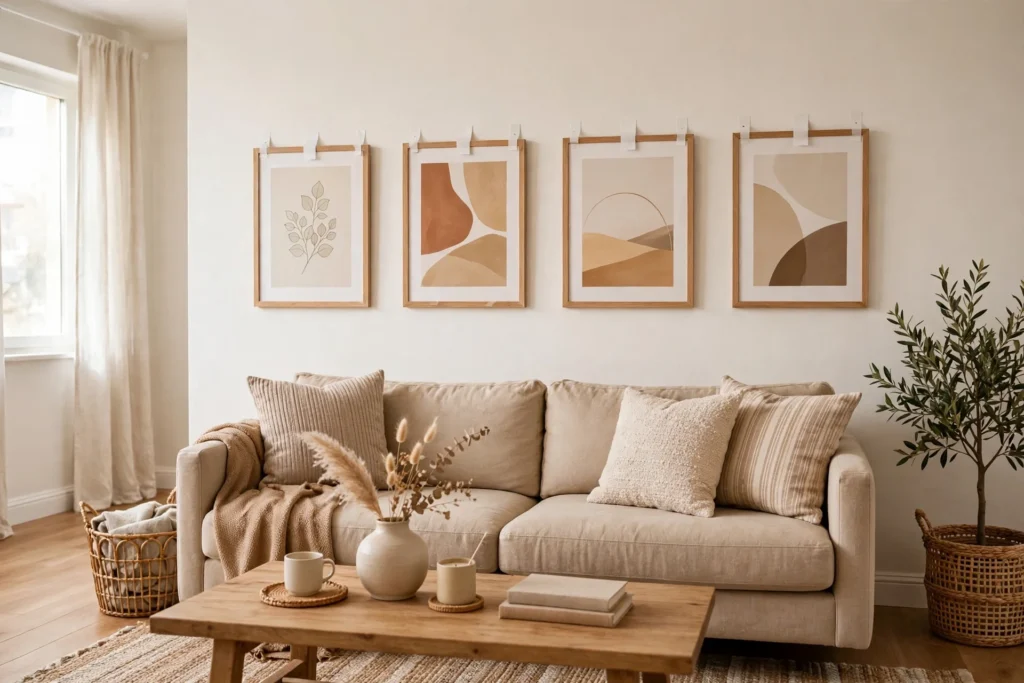
Start with items that sit on surfaces, not on walls. Rugs, cushions, throws, lamps, plants, and art on shelves change a room fast. For more ideas that suit a tight space, see these small apartment ideas. A tall bookcase can hold art, plants, and books without a single hook. Also, a leaning mirror can fill a bare wall without any fixing at all. These pieces move with you, so you buy them once and use them in your next home too.
In addition, choose furniture that does the work of decor. A colourful sofa cover, a warm throw, and good lighting can make a plain rental feel personal. For example, a floor lamp in a dark corner adds warmth at once. A rug over a plain floor adds colour and protects the floor below. Small choices like these add up to a home that feels truly yours.
Walls Without Holes or Paint
Walls cause most deposit disputes, so treat them with care. Use command strips or other removable hooks only if your lease allows them. Test one strip in a hidden spot first. Also, follow the weight limit on the pack, and follow the removal steps exactly. Pull straight down, slowly, as the pack directs. A rushed pull can strip paint.
For art, lean large frames against the wall on a dresser or shelf. Hang lighter pieces from existing picture rails if your home has them. In addition, use washi tape frames or a clip rail that rests on furniture for kids art and prints. These options look neat, and they leave nothing behind. If you want a bold wall, try a large fabric panel hung over a tension rod in a window frame. It adds colour, and it comes down in seconds.
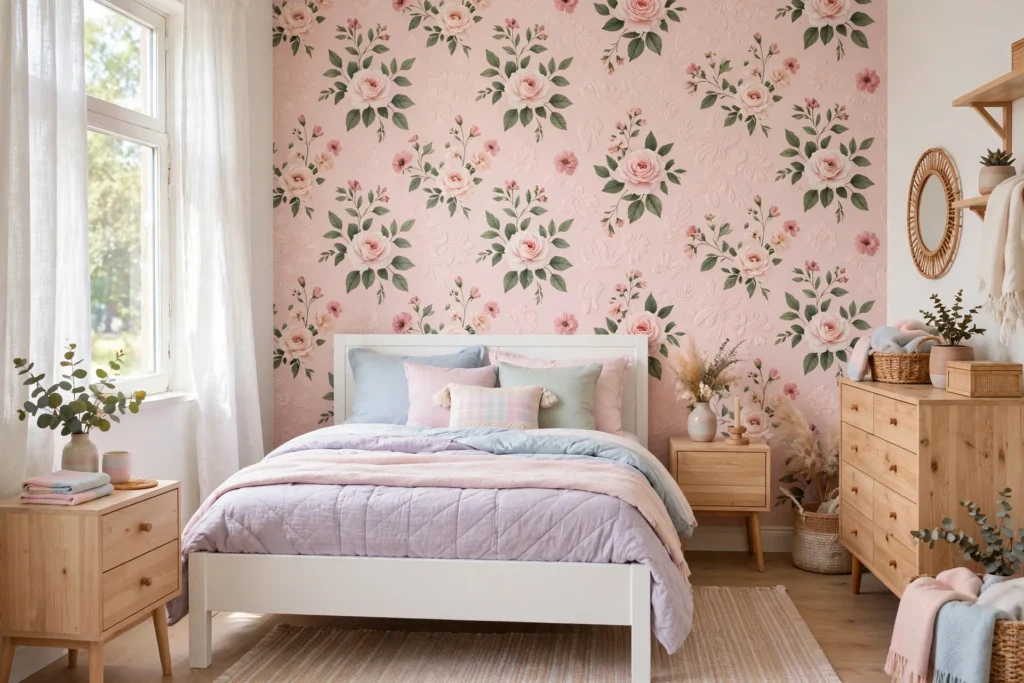
Peel and stick wallpaper can work in some rentals, but only with care. Check your lease first, and test a small piece in a hidden corner. Leave it for a week, then peel it off and check the paint. If paint lifts, do not use it on a full wall. The companion rental wallpaper article in this series covers that test in more detail, in plain text only here.
Floors, Light, and Furniture That Leave No Trace

Floors are easy to protect, and they are costly to repair. Place felt pads under every chair, table, and sofa leg. Use a rug in busy paths, such as the hallway and the space by the sofa. Also, use a mat by the front door to catch dirt and wet shoes. These small steps guard against scratches that landlords often charge for.
Light changes a room more than most people expect. Replace harsh bulbs with warm ones, if your lease allows bulb changes. Add a floor lamp or a table lamp instead of fitting new lights. In addition, use battery fairy lights or a plug in lamp for a soft evening glow. Keep the original bulbs and fittings in a labelled box, so you can put them back at move out.
Arrange furniture with care for small rooms. Place heavy items once, and avoid dragging them across floors. Use sliders under heavy pieces if you must move them. For layout ideas that suit a small room, see this small living room layout. A good layout makes a room feel larger, and it keeps floors and walls safe at the same time.
Small Changes That Help You Decorate a Rental Without Losing Deposit
Small changes often make the biggest difference. Swap shower curtains, cushion covers, and bedding for colours you love. Add a new doormat, a plant by the window, and art on a shelf. Also, change cabinet knobs only if your lease allows it, and keep the old knobs safe. Put them back before you leave, and no one will know they were ever changed.
Kitchens and bathrooms need extra care, since water damage is costly. Use a tray under plants and toiletries, so spills do not stain counters. Wipe splashes at once, and keep grout clean with regular light cleaning. In addition, avoid sticking hooks inside showers or on tiles if the lease bans adhesives. A free standing shelf or a trolley gives the same storage without any fixing.
For a fast, low risk refresh, try these quick refresh ideas. They focus on items you can add and remove in minutes. That is the right mindset for a rental. If a change takes tools, screws, or paint, pause and ask whether it is worth the risk to your deposit.
What Landlords Most Often Charge For

Landlords most often charge for holes in walls, repainting, and adhesive damage. Also, they charge for stained carpets, scratched floors, broken fixtures, and missing items. Cleaning charges are common too, especially for ovens, fridges, and bathrooms left dirty. Knowing this list helps you guard each risk as you live in the home.
Table: Common deposit charges and how to avoid them.
| Charge area | Common cause | Simple guard |
|---|---|---|
| Wall holes | Nails and screws | Use no hole options only |
| Paint damage | Tape and strips | Test strips first, pull slowly |
| Floor scratches | Dragged furniture | Use felt pads and rugs |
| Stains | Spills left to set | Clean spills at once |
| Cleaning | Dirty oven and bath | Clean a little each week |
In addition, keep a small repair kit for daily life. Keep spare bulbs, felt pads, and a gentle cleaner in one box. Fix small scuffs as they happen, if your lease allows light cleaning. Do not paint over damage without asking first. A quick cover up can look worse than the mark, and it can lead to a larger repaint charge.
Move Out Restoration and Cleaning Checklist
This checklist is the original core of this guide. Work through it room by room in the last two weeks before you leave. First, take down all decor, hooks, and strips. Check each wall in daylight for marks, and clean light marks with a gentle cleaner. Fill no holes without asking, unless your lease says you may. Some leases want holes left for the landlord to fix.
Next, put back every original item. Return the old bulbs, knobs, shower curtain, and fittings you stored. Check cupboards, shelves, and drawers for items you left behind. Also, check balconies, storage rooms, and parking spots for your things. Missing items, even small ones like a shelf or a key, can lead to a charge.
Finally, clean in this order: dust high, wipe surfaces, clean the kitchen, then the bathroom, then vacuum and mop floors last. Clean the oven, fridge, and taps with care. Take photos and a video of each room once it is empty and clean. Send a polite note to your landlord to confirm your move out date and key return. Keep copies of everything.
Normal Wear and Tear, and How to Handle a Dispute

Normal wear and tear means small changes from normal living. Faded paint, light carpet wear in busy paths, and small scuffs from daily use often fall in this group. Damage means a broken item, a large stain, or a hole you caused. The line between them is not always clear, so your move in photos matter here. This is general guidance only. Check your lease and local rules for how your area treats these points.
If your landlord lists charges you dispute, stay calm and polite. Ask for an itemised list in writing, with a cost for each item. Compare each charge with your move in photos and your move out photos. Reply in writing, point by point, and attach the photos that support your case. Keep copies of every message.
For general tenant rights background, see the U.S. Department of Housing and Urban Development tenant rights page. It explains tenant topics in broad terms, and it is a useful starting point. However, it does not replace your lease or local advice. If a dispute is large, seek advice from a local tenant advice service before you agree to any deduction.
Frequently Asked Questions
Can I hang pictures in a rental without losing my deposit?
Yes, if your lease allows removable options and you use them with care. Lean large frames, use picture rails if fitted, and test removable strips in a hidden spot first. Follow weight limits and removal steps exactly. Photograph walls before and after, so you can show the wall is unchanged.
What should I photograph on move in day?
Photograph every wall, floor, door, window, appliance, and fixture, plus inside cupboards. Film a slow video of each room, and name each mark as you pass it. Keep original files with date stamps, and upload copies to cloud storage the same day. Send your landlord a list of existing marks.
Is peel and stick wallpaper safe for a rental deposit?
It can be safe, but only after a lease check and a hidden corner test. Leave a small piece in place for a week, then peel it off and check the paint. If paint lifts or the lease bans it, do not use it. A fabric panel on a tension rod is a safer way to add bold colour.
What is normal wear and tear in a rental?
Normal wear and tear means small changes from normal daily living, such as faded paint and light carpet wear in busy paths. Damage means a broken fixture, a large stain, or a hole you caused. The line is not always clear. This is general guidance only, so check your lease and local rules for your area.
How do I clean a rental before move out?
Work room by room, and clean top to bottom. Dust high surfaces, wipe counters, clean the kitchen and bathroom well, then vacuum and mop floors last. Clean the oven, fridge, and taps with care. Photograph each empty, clean room, and keep the photos with your move out note.
Should I repaint before I leave a rental?
Do not repaint unless your lease asks for it or your landlord agrees in writing. A poor paint job can lead to a larger repaint charge than the original mark. Ask first, and get the agreed colour and finish in writing. If you do paint, use the agreed colour only, and keep the receipt.
Conclusion
A rental can feel like home without risking your deposit. Read your lease, record the home on day one, choose reversible decor, and restore each room before you leave. Your next step is simple: photograph your home today, even if you moved in weeks ago, and start a small box for original bulbs, knobs, and fittings.