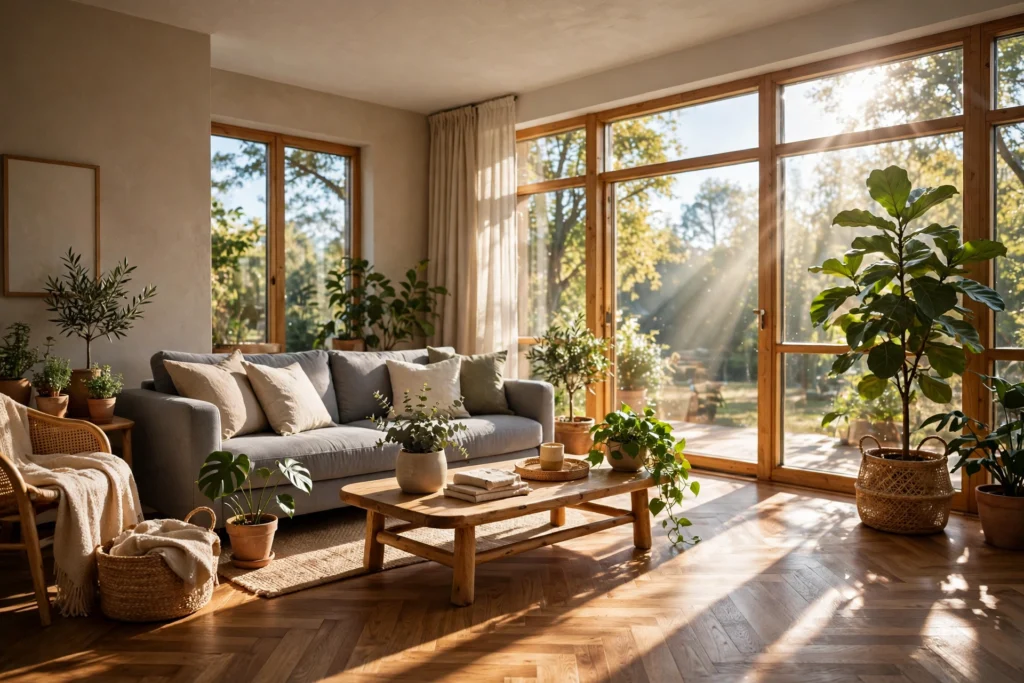
Natural light changes how a home feels. A bright room lifts your mood, while a dark room drains it. Knowing how to check natural light in a house before buying saves you from a home that looks good in photos but feels gloomy. This guide shows you how to read the sun and windows before you sign.
Why Natural Light Matters More Than Photos Show
Photos lie about light more than anything else. A camera can brighten a dark room in one click. A flash can fill a corner that never sees sun. And a photo taken at noon can hide that the room goes dark by 3 p.m. So the bright living room in the listing may be a dim box for most of the day.
Light also changes how a home feels to live in. A bright kitchen makes mornings easier. Sunlight in the living room cuts heating needs in winter. A dark bedroom can make winter mornings feel longer and heavier. Light ranks near the top of what most buyers want, next to space and layout. Yet most buyers check it last, if they check it at all.
The good news is that light is easy to check. You do not need tools or skill. You need a compass, a clock, and one visit at the right hour. The sun follows rules that never change. South-facing rooms get direct sun. North-facing rooms get soft light. East-facing rooms get morning sun. And west-facing rooms get hot evening sun. Once you know the rules, you can read any home in ten minutes.
How to Check Natural Light in a House Before Buying

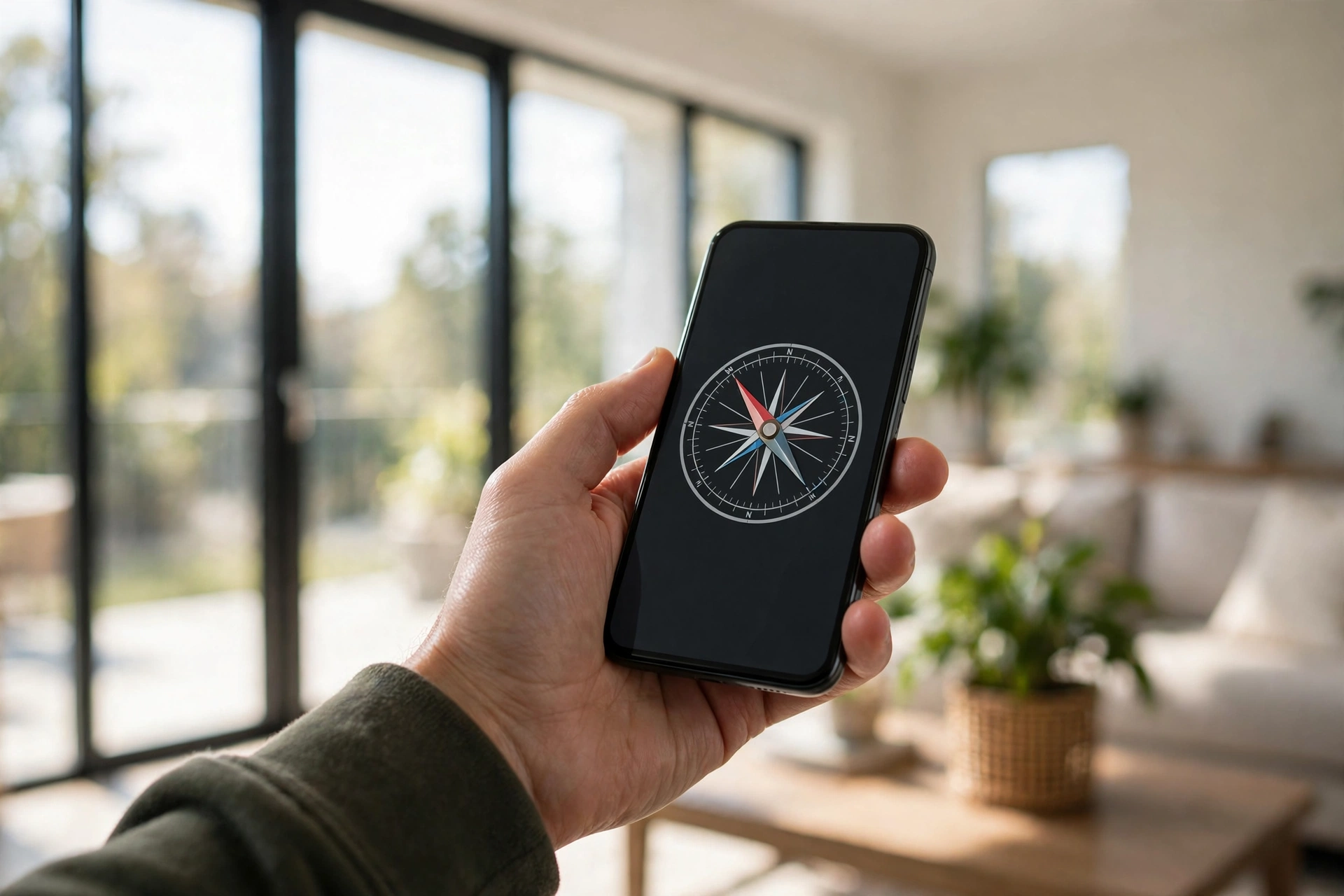
Start with the direction. Stand in the main living room and open the compass on your phone. Note which way the biggest window faces. That one fact tells you more than ten photos. A south-facing window gets direct sun for most of the day. A north-facing window gets soft, even light with no harsh glare. East brings bright mornings. West brings warm evenings.
Next, visit at the right hour. A single visit at noon tells you almost nothing. Noon light is high and flat, and every room looks fine. So visit twice if you can. Go once in the morning and once in the late afternoon. The morning visit shows you the east light. The afternoon visit shows you the west light and the shadows. If you can only visit once, go at 4 p.m. That is when weak light shows up first.
Then check the windows themselves. Big windows matter more than many windows. One wide window lights a room better than three small ones. Also check the glass. Clean glass lets in far more light than dirty glass. And check the frames. Thick frames and small panes cut the light. A window with a deep sill or a heavy curtain blocks light too.
Look Outside the Window Too
Also look at what sits outside. A tall building across the street can block the sun for half the day. Trees can shade a whole room in summer too. A narrow gap between houses can leave a side room in permanent shade. So step outside and look up. The sky you see from the window is the light the room gets.
Finally, check the rooms with no windows. Hallways, bathrooms, and small bedrooms often get no direct light at all. They borrow light from other rooms through open doors. So close the doors and see what is left. A hallway that goes dark with the doors shut will feel dark every day. If you want to see how rooms, windows, and tours fit together before you visit, read our guide to seeing a house online first, then test what it shows you in person.
North, South, East, West: What Each Direction Gives You

Every direction gives you a different kind of light. South is the star. In the northern hemisphere, a south-facing window gets direct sun most of the day. Winter sun sits low, so it reaches deep into the room. In summer the high sun stays near the top of the window. So a south-facing living room stays bright all year, and it feels warm in winter.
North is the quiet one. A north-facing window never gets direct sun. The light is soft, even, and cool all day. That sounds dull, but it has real perks. Colours look true in north light. Art and screens never glare. And the room never overheats in summer. A north-facing bedroom can be a calm place to sleep. But a north-facing living room can feel flat on grey winter days.
East gives you mornings. The sun rises in the east, so an east-facing room is bright at breakfast and soft by lunch. That suits kitchens and bedrooms. You wake up to light, and the room cools down by the afternoon. But an east-facing living room goes dim early. By 4 p.m. it may need lamps.
West gives you evenings. The sun sets in the west, so a west-facing room gets strong, warm light late in the day. That suits a living room where you sit after work. But west light brings heat. In summer a west-facing room can get hot by 6 p.m. So check the blinds and the ventilation. A room that bakes every evening is no bargain.
A Worked Example: South vs North in the Same House
Picture two living rooms in the same house. Both are 12 feet wide and 14 feet long. Both have one window, 6 feet wide and 5 feet tall. One faces south. The other faces north. Its window covers 30 square feet. Its floor covers 168 square feet. So the glass covers about 18 percent of the floor. That is a fair amount of glass for a room this size. Now watch what the sun does.
In the south room, the winter sun sits low in the sky. It shines straight through the window and lands deep on the floor, about 10 feet in. The whole floor glows by midday. In summer the sun sits high, so the light lands near the window and the room stays cooler. The room is bright at 9 a.m., bright at noon, and still bright at 4 p.m.
In the north room, the same window gives soft light all day. No direct sun ever enters. The light is even and calm, and the colours look true. But on a cloudy winter day the room can feel dim by 3 p.m. A lamp goes on earlier here than in the south room. The room is not dark, but it never sparkles.
The lesson is simple. Same room, same window, different direction, different home. So always ask which way the main windows face. And always visit at the hour you will use the room most.
The Room-by-Room Light Checklist
Every room uses light in a different way. So check each room on its own terms. This table gives you a quick test for each space.
Room-by-room natural light checklist
| Room | What good light looks like | Quick test |
|---|---|---|
| Living room | Bright most of the day | Sit in it at 4 p.m. without lamps |
| Kitchen | Bright morning light | Cook at 8 a.m. with no lights on |
| Bedroom | Soft morning light | Wake-up light, no glare on the bed |
| Bathroom | Daylight, even without a big window | Check for a window or a sun tunnel |
| Home office | Even light, no screen glare | Sit at the desk at 2 p.m. |
| Hallway | Borrowed light from nearby rooms | Close the doors and check the dark |
| Dining room | Warm evening light | Eat at 6 p.m. with no lamps |
Walk the house with this table in mind. Spend two minutes in each room. Turn the lights off first. Then look. The rooms that stay bright are the rooms you will love. The rooms that go dark will need lamps, mirrors, or lighter paint every day. Note them now, before you fall for the rest of the house.
Pay special attention to the kitchen. A dark kitchen is the hardest flaw to live with. You cook there every day, morning and night. A kitchen with an east window gets bright morning light, which suits breakfast and school runs. A kitchen with no window at all will need strong artificial light, and it will never feel fresh. So put the kitchen high on your list.
Also check the bathroom. Many bathrooms have small windows or none at all. A bathroom with a small high window gets daylight and privacy at once. A bathroom with no window needs a fan and good lights, and can feel damp. So look up. A skylight or a sun tunnel can save a windowless bathroom.
Tools That Show the Sun Before You Visit

You can check the sun before you leave home. Free tools show you the sun path for any address. They take two minutes, and can rule out a bad home before you drive there.
SunCalc is the simplest tool. Type in the address, pick a date, and move the time slider. The map shows where the sun rises and sets, and how the shadows fall at each hour. You can see if a tall building blocks the morning sun, or if the garden gets evening light. It works in a browser, and it costs nothing.
SunEarthTools goes deeper. It gives you the exact sun angle and height for any hour and any day of the year. That sounds technical, but the page is simple to use. Pick the place and the date, and it shows the numbers. Use it to compare two homes, or to know if the winter sun will reach the sofa.
Use both tools the same way. Check the home on a winter date and a summer date. Winter shows the weakest light of the year, and summer shows the heat risk. If the home passes both, the light will work all year. Then confirm it with one real visit at 4 p.m. For the deeper numbers, use SunEarthTools on the same dates.
What to Do When the Light Is Bad

A dark room is not always a lost cause. Some fixes are cheap, and some are free. Start with the free ones. Clean the windows inside and out. Dirty glass can cut the light by a surprising amount. Then take down heavy curtains. Sheer curtains let light through while they keep privacy. And move tall furniture away from the windows. A bookcase in front of a window steals light from the whole room.
Next, try mirrors. A mirror opposite a window bounces light deep into the room. It doubles the light you already have. Put a large mirror on the wall facing the window, and the room feels brighter at once. A mirror also makes a small room feel wider, which helps twice.
Then look at the paint. Light paint reflects light. Dark paint absorbs it. A room painted in a warm white can feel far brighter than the same room in a deep colour. If you plan to repaint anyway, pick a white with a high light reflectance. Our guide to Atrium White paint explains how one bright white changes the feel of a room, and why its light reflectance matters.
Finally, add light where the sun cannot reach. A bright corner with a chair and lamp can turn a dark spot into a favourite place. Layer the light: one ceiling light, one floor lamp, and one small table lamp. That mix feels warm and even.
A small reading nook is one cheap fix: our reading nook ideas show how to build a sunny spot in any room. Do not fix bad light with a big renovation. A new window costs far more than paint, mirrors, and lamps. So price the fix before you buy. If it costs more than the home is worth to you, walk away.
Frequently Asked Questions
Which direction is best for natural light?
South is best for most rooms in the northern hemisphere. It gives direct sun through most of the day and warmth in winter. But the best direction depends on the room. East suits bedrooms and kitchens for morning light. West suits living rooms for evening light. North suits rooms where you want soft, even light with no glare.
How do I check light if I can only visit once?
Go at 4 p.m. That is when weak light shows up first. Turn off all the lights and walk through every room. Note which rooms stay bright and which go dark. Also check the compass on your phone for each main window. The direction plus the 4 p.m. test tells you most of what you need to know.
Can I fix a dark room without a renovation?
Yes, in most cases. Clean the windows, swap heavy curtains for sheer ones, and move tall furniture from the glass. Add a large mirror opposite the window to bounce light deeper into the room. Repaint in a warm white. Then layer lamps: ceiling, floor, and table. These fixes cost little and change the feel a lot.
Does a north-facing home get any direct sun?
In the northern hemisphere, a north-facing window gets almost no direct sun. The light is soft and even all day, which suits art rooms and screens. But the room can feel flat on grey winter days. So pair north-facing rooms with light paint, mirrors, and good lamps. A north-facing home is not dark, but it never sparkles.
How big should windows be for good light?
There is no single rule, but size matters more than number. One wide window lights a room better than three small ones. As a rough guide, a living room window covering about 15 to 20 percent of the floor gives good daylight. Compare the window area with the floor area, as in the worked example above.
Should I worry about too much sun?
Yes, in west-facing rooms. Strong evening sun brings heat and glare. It can fade fabrics and make a room hard to sit in. Check the blinds, the curtains, and the ventilation. A west-facing room with good blinds and airflow is fine. One without shade will bake every summer evening.
Final Thoughts
Natural light is free, but you cannot buy it later. A home with good light feels bigger, warmer, and calmer every day. A home with bad light fights you every day. So check the sun before you sign. Note the direction of each main window, visit at 4 p.m., and walk the rooms with the lights off. Then run the free sun tools for winter and summer. Ten minutes of checks now can save you years of dim rooms.