

Laurel brings a soft, classic green to Christmas decorating. Its smooth oval leaves and gentle scent suit wreaths, garlands, and table displays. In this guide, you will learn how to use this evergreen for wreaths, garlands, sprigs, and gifts, and how to keep it fresh through the season.
Why Laurel Works as Christmas Greenery

Laurel is an evergreen shrub with smooth, dark green leaves that hold their shape well after cutting. Unlike pine, it drops very few needles, since it has leaves instead of needles. As a result, it keeps entryways and tables clean through the holidays. In addition, its leaves have a soft shine that catches light without looking glossy or fake.
The scent is another reason to love this greenery. Fresh sprigs give off a mild, herbal scent that feels calm rather than sharp. It pairs well with pine and cedar, which smell stronger. Together, they create a layered scent that feels like a real winter garden. For that reason, many florists mix this greenery with conifer branches instead of using it alone.
Laurel also carries a long story. In ancient times, wreaths made from this plant crowned winners and honored guests. That history gives a simple wreath a sense of meaning at Christmas. Today, the same plant feels both classic and fresh, since it suits farmhouse, modern, and traditional homes alike.
Finally, the leaves work at any scale. A single sprig can dress up a wrapped gift. One full wreath can anchor a front door. A long garland can frame a mantel. One plant covers all three jobs, so you can buy one bunch and use it across the house.
Laurel Wreaths, Garlands, and Sprigs
A wreath is the easiest place to start. Begin with a plain wreath frame in wire, vine, or foam. Next, lay small bundles of sprigs around the frame, and bind each bundle with floral wire. Overlap the bundles so each new bundle covers the cut ends of the last one. This overlap hides the wire and gives the wreath a full, even shape.
For a fuller look, mix the greenery with pine or fir branches. Use pine as the base layer, then add sprigs on top for texture. The smooth leaves stand out nicely against rough pine needles. Add a few red berries or pinecones for color, but keep extras small. The leaves themselves are the star, so extras should support them, not cover them.
Garlands use the same method on a longer scale. Cut conifer branches about 30 to 40 centimeters long for the base layer. Then, add accent foliage such as holly, ivy, and this evergreen as the second layer. Larger leaves may need replacing before the festive season ends, so check your garland each week and swap any tired sprigs. For step by step garland method, read the Thompson and Morgan guide to evergreen Christmas garlands.
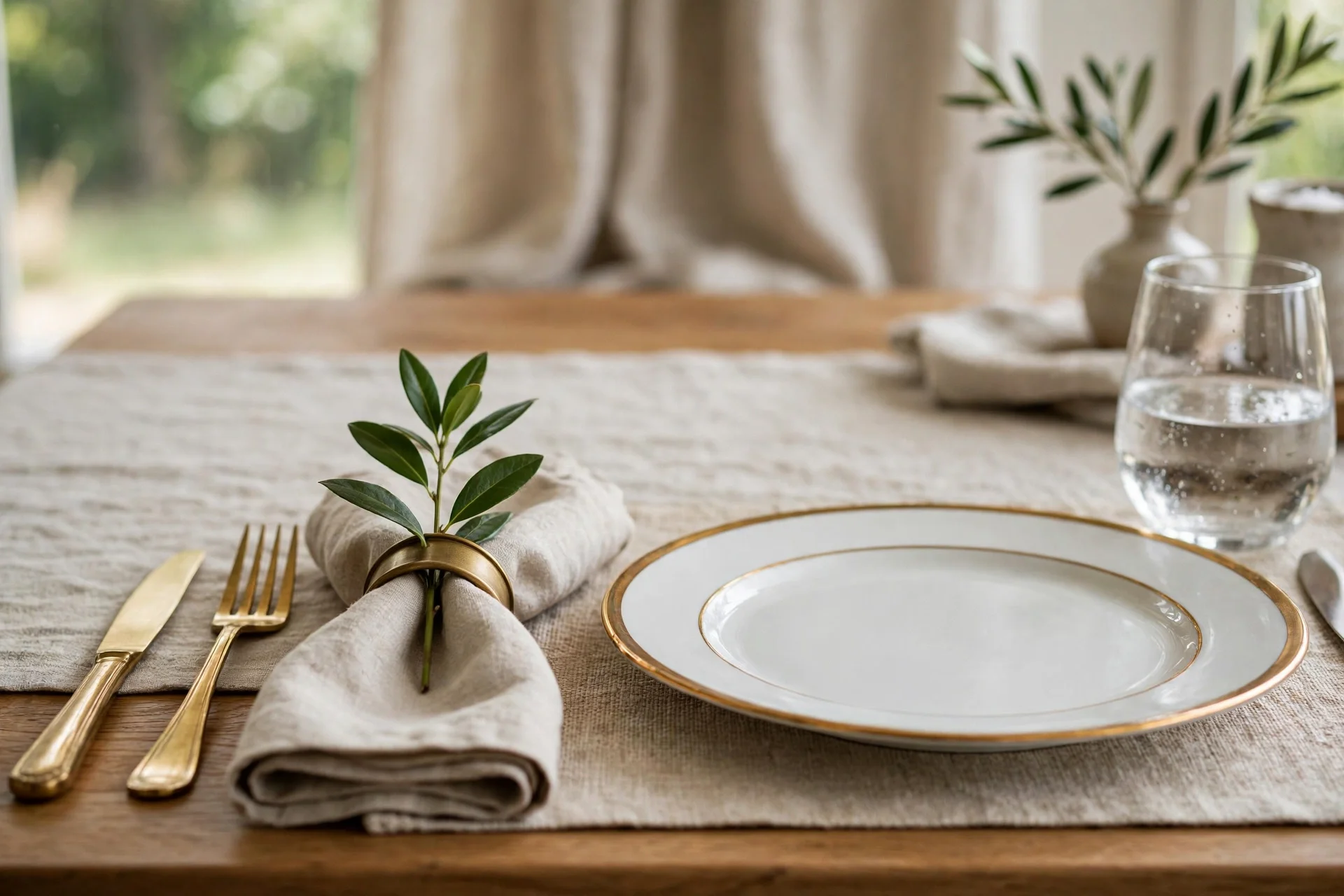
Sprigs are the smallest and most flexible use. Tuck a short sprig into a napkin ring for each place setting. Tie one to a gift with ribbon instead of a bow. Place a few sprigs in a bud vase on a bathroom shelf. These small touches carry the Christmas theme into rooms that need no big display. In addition, sprigs cost almost nothing, since one bunch yields dozens of small pieces.
Styling Plan by Spot
| Spot | Form | What to pair it with | Care note |
|---|---|---|---|
| Front door | Full wreath | Pine base, red berries, ribbon bow | Mist lightly, keep out of harsh sun |
| Fireplace mantel | Long garland | Fir base, pinecones, candles beside it | Check weekly, replace tired leaves |
| Dining table | Loose sprigs and runner | Eucalyptus, candles, gold beads | Keep away from open flames |
| Place settings | Single sprigs | Napkin rings, name cards | Cut fresh on the day |
| Wrapped gifts | Tiny sprig bundles | Ribbon, dried orange slices | Tie firmly so sprigs stay put |
Choosing and Buying Fresh Sprigs

Buy sprigs that look deep green and feel firm, not dry or brittle. Bend a leaf gently: a fresh leaf bends, while a dry leaf snaps or crumbles. Avoid bunches with yellow leaves or brown edges, since those leaves will drop fast indoors. If you buy a wreath ready made, check the back as well as the front, since the back often dries first.
Florists and garden centers sell fresh bunches in late November and early December. Farmers markets often sell them too, and market bunches tend to be fresher than shipped ones. If you grow the shrub at home, cut sprigs in the morning when the plant holds the most water. Cut stems at an angle, and place them in water right away.
For a longer lasting display, ask whether the bunch was treated with a preservative spray. Some sellers spray wreaths to slow drying. A treated wreath lasts longer, but keep it away from food areas and pets. Untreated sprigs are best for table settings near plates, since nothing touches the food.
Store extra sprigs in a cool spot until you need them. A garage or cool porch works well, as long as the sprigs stay out of frost. Wrap the cut ends in a damp cloth, then place the bundle in a plastic bag with a few air holes. Stored this way, fresh sprigs keep for a week or more before you arrange them.
Keeping Wreaths and Garlands Fresh
Fresh greenery dries out over time, so a simple care routine makes a big difference. Mist wreaths and garlands lightly with water every two to three days. This keeps the leaves soft and slows drying. However, do not soak a wreath, since standing water can stain a door or wall. A light mist is enough.
Keep displays out of direct sun and away from heat vents. A front door with a covered porch is ideal, since cool air preserves the leaves. Indoor garlands last longer on a mantel that stays cool, so keep them away from a working fireplace. If you use a real fire, choose a simpler mantel display, or use battery candles for a safe glow.
Check your displays each week with a simple bend test. If leaves bend, the sprig is still fresh. If leaves snap or crumble, replace that sprig right away. One dry piece can make a whole wreath look tired, so quick swaps keep the display fresh through New Year. For garland care basics, see the Better Homes and Gardens guide to greenery garlands.
Indoor sprigs in water last about one to two weeks. Change the water every two to three days, and recut the stems each time. Remove any leaves that sit below the waterline, since leaves in water rot fast. With this care, even small sprigs stay green well past Christmas Day.
Pairing Ideas for Every Room Style

For a classic room, pair the greenery with deep red berries, gold ribbon, and brass candle holders. This mix feels warm and traditional, and it suits rooms with wood furniture and rich colors. Add pinecones for texture, but keep the palette to green, red, and gold for a calm, classic look.
Meanwhile, a modern room suits a simpler mix. Use the greenery alone with white candles and silver ornaments. The smooth leaves look clean against white walls and simple furniture. Skip the ribbon and berries, and let the shape of the wreath or garland speak for itself. This restrained style feels fresh and calm.
For a farmhouse room, mix the greenery with eucalyptus, dried orange slices, and twine. Eucalyptus adds a soft blue green tone, while dried oranges add warm color and scent. Tie bundles with twine instead of ribbon for a relaxed, handmade feel. This mix also works well on a kitchen table or an open shelf.
In a small space, use sprigs instead of large pieces. A single sprig in a bud vase on a side table gives the Christmas feel without taking floor space. A small wreath on an interior door adds cheer to a hallway. These small moves suit apartments and tiny rooms, where a large garland may overwhelm the space.
If you love year-round greenery, this plant also works beyond Christmas. Its leaves suit spring table settings with white flowers, and summer wreaths with dried blooms. For everyday plant styling ideas, see our guide to indoor plant styling. Christmas displays, by contrast, pair it with pine, berries, and candles for one joyful season.
A Simple Wreath You Can Build in an Hour
You need a wire wreath frame, fresh sprigs, pine branches, floral wire, wire cutters, and ribbon. Start by making small bundles of three to five sprigs each. Bind each bundle at the stem ends with floral wire. Make about 12 to 15 bundles for a standard door wreath.
Next, bind the bundles to the frame one at a time. Place the first bundle at the top of the frame, with the leaves pointing outward. Then, place the next bundle so it overlaps the stems of the first. Work around the frame in one direction, and keep the overlap even. This even overlap gives the wreath a full, smooth shape.
After the frame is covered, add pine branches in a few gaps for depth. Tuck red berries or pinecones into three spots, spaced evenly around the wreath. This three point pattern looks balanced without feeling busy. Finally, tie a ribbon bow at the top or bottom, and hang the wreath with a sturdy hook.
Step back and check the shape from across the room. Fill any thin spots with extra sprigs, and trim any stem that sticks out too far. Hang the wreath in a cool, shaded spot for the longest life. With weekly misting and quick swaps of tired sprigs, your wreath can look fresh from early December through New Year.
Safety and Care Notes
Fresh greenery looks lovely, but dry leaves can catch fire easily. Keep every wreath and garland away from candles, fireplaces, and heaters. Never place candles directly inside a garland. Use sturdy candle holders beside the display instead, and never leave burning candles alone in a room.
Also, keep decor sprigs separate from cooking use. The same plant gives bay leaves for cooking, but decor sprigs may carry sprays or dust from handling. Use only clean, food grade dried bay leaves from a spice jar for cooking, and keep decor sprigs for display only. This simple rule avoids any mix up.
For a full seasonal flow, many homes move from fall decor to fresh winter greens in late November. You can reuse wreath frames, lanterns, and neutral vases from your fall displays. Simply swap autumn leaves for fresh evergreens and sprigs. For fall ideas that lead into this change, see our guide to decorating tips for fall.
Frequently Asked Questions
How long do fresh wreaths last indoors?
A fresh wreath usually lasts two to four weeks indoors with light misting and a cool spot away from heat. Outdoor wreaths on a covered porch often last longer, since cool air slows drying. Replace any sprig whose leaves snap instead of bending.
Can I mix this greenery with pine and fir branches?
Yes, mixing works very well. Use pine or fir as the base layer, then add smooth leaf sprigs on top for texture. The contrast between needles and leaves makes the display look full and interesting. Add berries or pinecones sparingly for color.
Where should I hang a fresh wreath for the longest life?
Hang a fresh wreath on a covered porch or a cool interior wall away from sun and heat vents. Avoid spots above radiators or beside fireplaces, since warm air dries leaves fast. Mist the wreath lightly every two to three days to keep it fresh.
How do I keep garlands from drying out before Christmas?
Mist garlands lightly every two to three days, and keep them cool and out of direct sun. Check each week and replace any sprig with dry, snapping leaves. Building the garland in late November or early December gives it the longest fresh life through the holidays.
Can I use the same sprigs for gifts and table settings?
Yes, small sprigs work beautifully for both gifts and place settings. Tie one sprig to each gift with ribbon, and tuck one into each napkin ring. Cut table sprigs fresh on the day of the meal, since small pieces dry faster than full wreaths.
Is this greenery safe around pets and children?
Fresh sprigs are generally safe for display, but keep them out of reach of pets that chew plants. Do not let children or pets eat decor sprigs, since they may carry dust or sprays. Use only food grade dried bay leaves from a spice jar for cooking, never decor sprigs.
Conclusion
In short, laurel gives Christmas decorating a classic, calm green that suits wreaths, garlands, sprigs, and gifts. Start with fresh, firm sprigs, build a full wreath or garland with even overlaps, and mist lightly each week. This year, try one wreath on the door and a few sprigs on the table, then enjoy their quiet beauty all season.